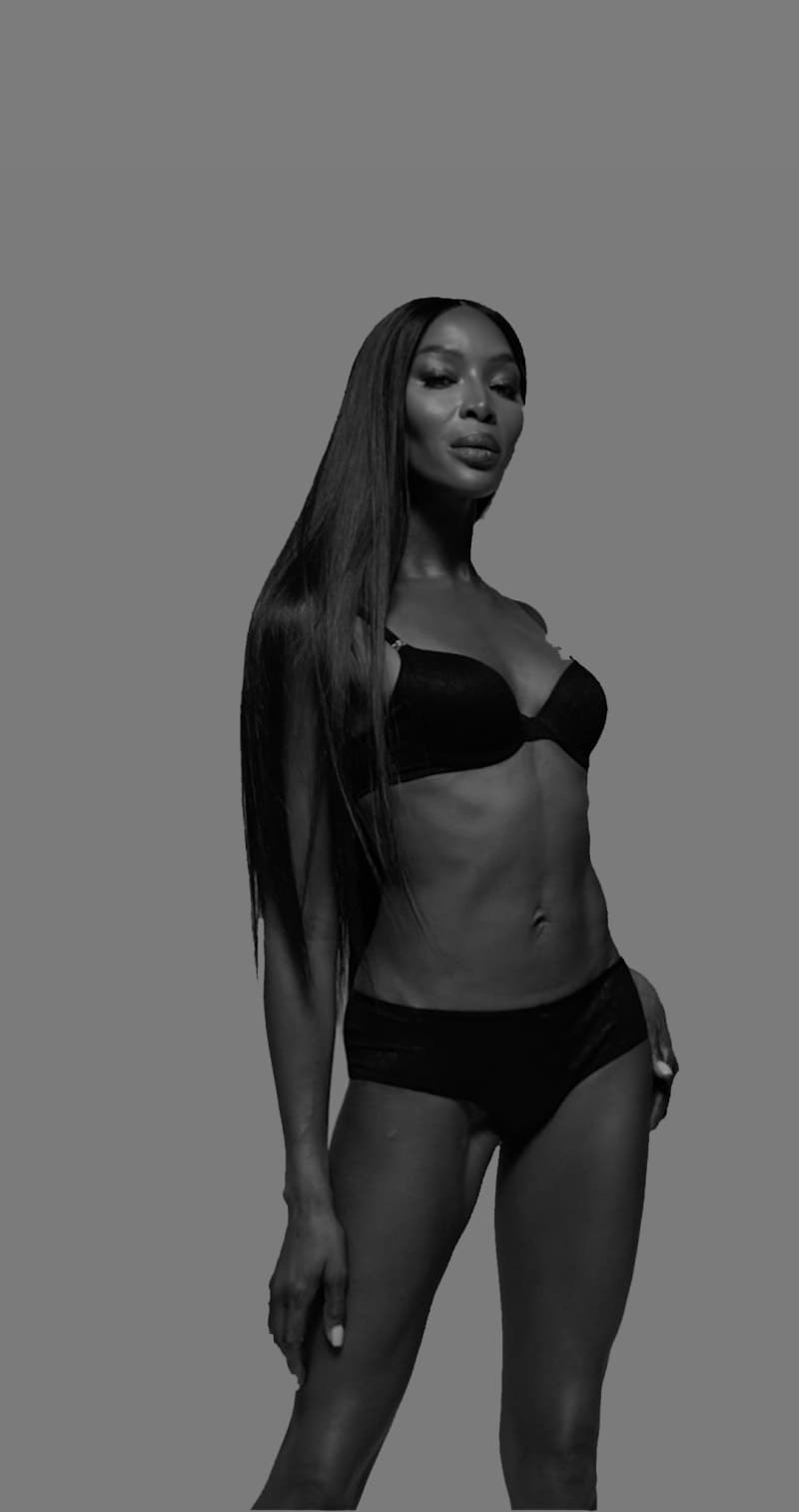
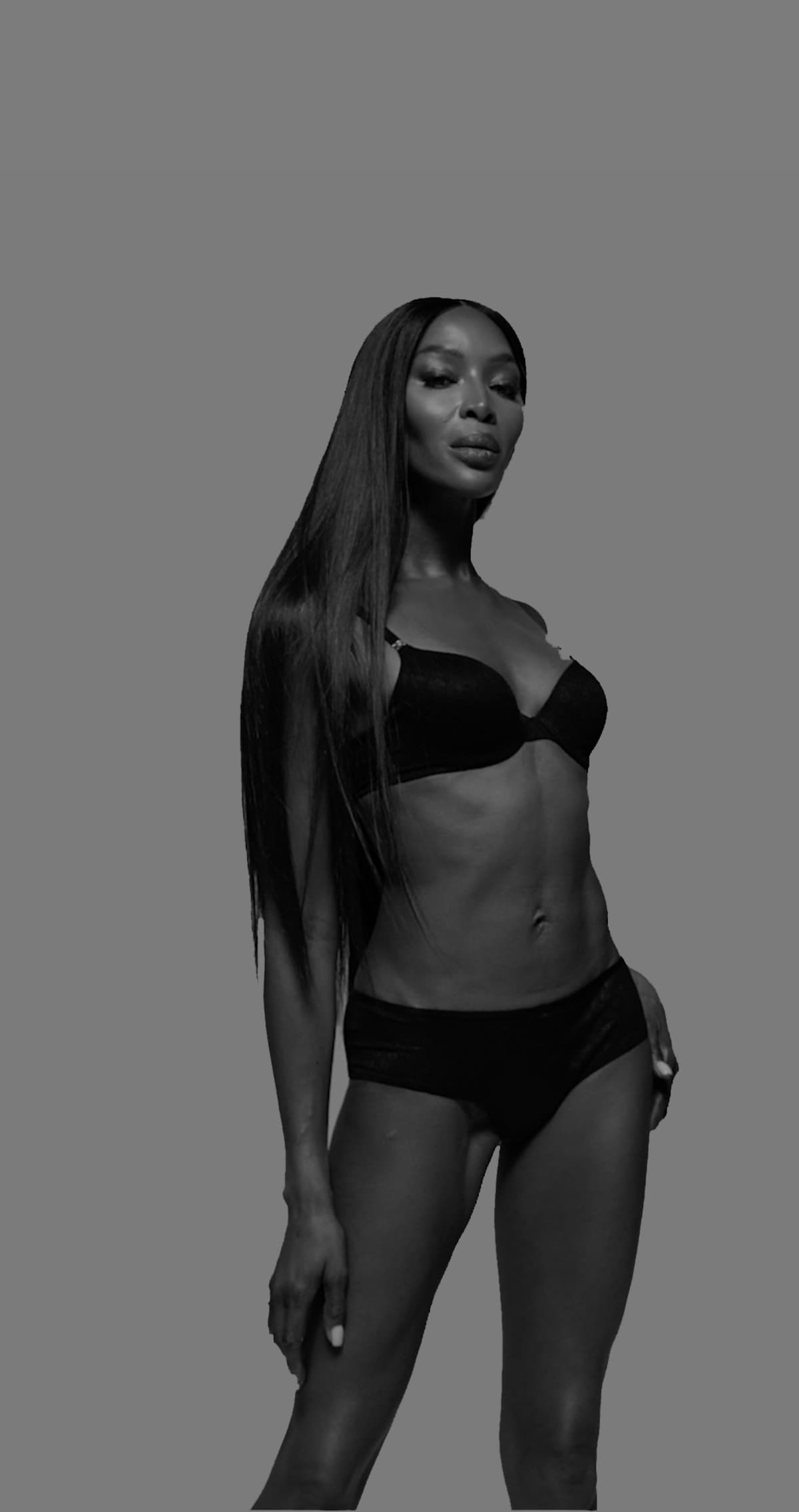
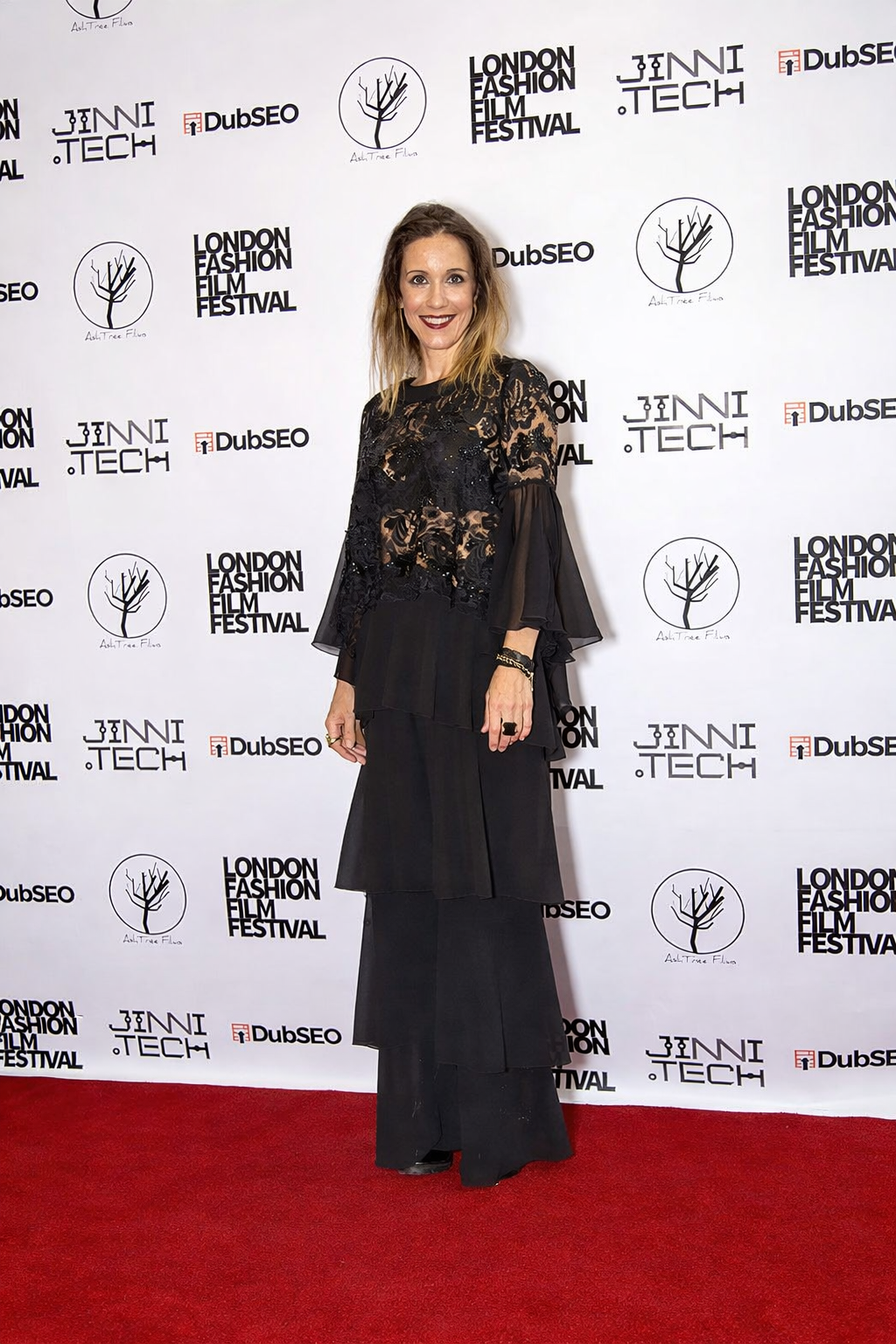
Q and A with Joana Bastos, Director of Lilith — her film was nominated for Best Accessory Design Award at LFFF 2018.
Q. How and when did you become interested in filmmaking?
A. When I was a child, in the 80's, my father always walked with an analogue photographic camera and a Sony Video8 camera. Since then, I've always grown up with this feeling, and I bring in my heart those little movies he made when he filmed me playing with my artistic creations or dancing ballet. Since my graduation in marketing management, a long time ago, I've started to realise several ways of communication where I could work my intellectual creativity, exploring different themes and concepts. I really like to create a concept or idea and bring it to life through movement, image and the emotional involvement that I can get from the audience.
Q. What is a fashion film?
A. For me, a fashion film has a broad meaning. It can be related to fashion, beauty, art in general, technology... and the message you want to convey. It can be a story for a brand — like advertising for underwear, cosmetics, accessories, whatever the product — or just a concept not focused on a brand, or simply a combination of random images. It can even be a documentary. You can use several tools such as sound, visual effects and photography, among others, to enrich the project and capture the attention of the audience you want, depending on the purpose.
Q. Why make a fashion film?
A. Because, as I mentioned before, since my graduation in marketing management I started to realise several ways of communication where I could work my intellectual creativity, without rules — mixing my ability to work with my hands, like the sunglasses I presented in "Lilith". Associated with that, I can show my personal and professional skills to produce an idea, plan it, and pass it on to the fashion world, without rules. Only with much shine!
Q. What makes a fashion film different to other short film genres?
A. I'm not an expert in fashion films, but from my point of view, we can fully explore our creativity and freedom to express our feelings, deep emotions and personal experiences, with no rules. At the same time, we can use it to sell something — a brand, a product or service — like photography, visual effects, or in my case, to promote creative production services.
Q. What were you looking for in your characters?
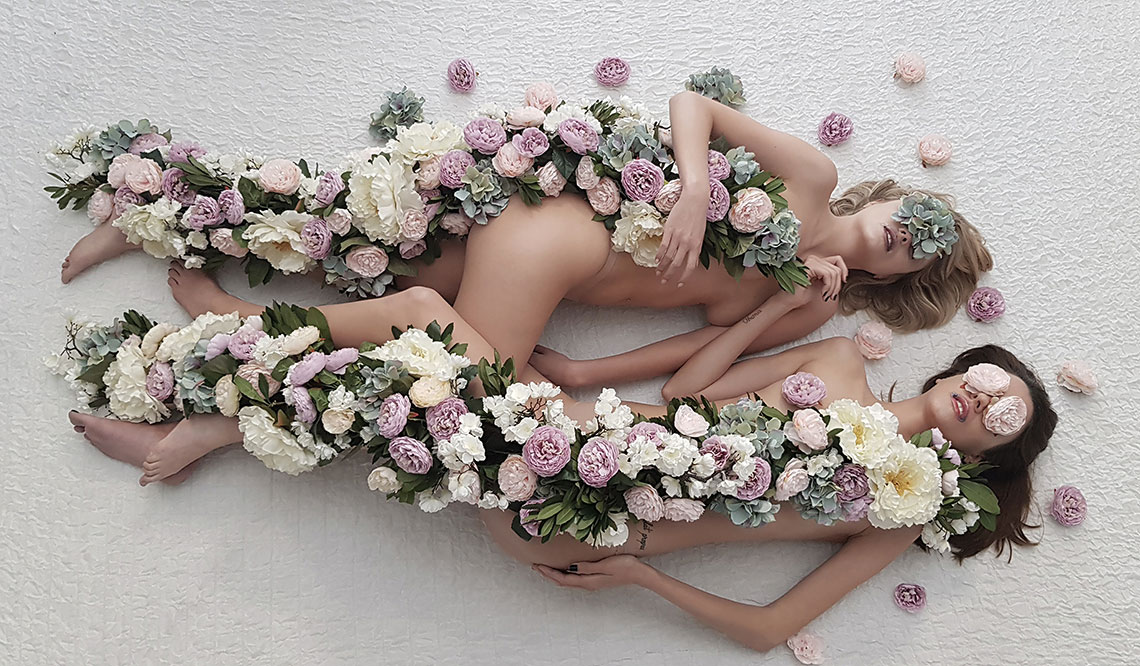
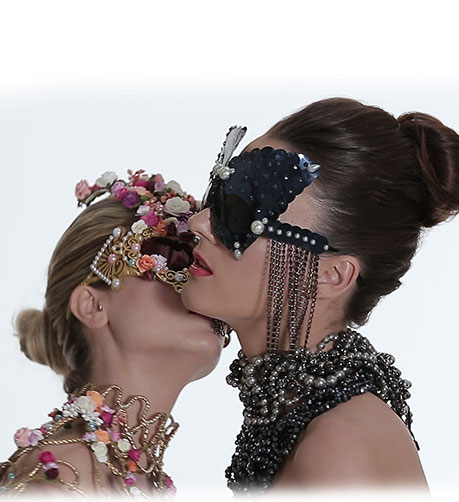
A. In this film, Lilith is one of my characters — known as the black moon, coming from the dark side, showing the dark side of the person's personality. The other character shows the other side of the moon, conscious and enlightened, that rescues the deeper emotions of being, creating and generating peace and soul balance. Bringing to life the beauty, loveliness, delicacy and glamour of the human being. I think the models Giulia and Mariana did a great job conveying this feeling.
Q. Do you have friends making movies as well, and do you sense competition amongst you? What do you think of their movies?
A. Yes, I have friends. They make other kinds of movies — documentary films, video clips, institutional videos. They like the idea of working in something different; it's another challenge to work in fashion. I think people should do what makes them tangible, exploring other styles and new paths. I also think it's good to have healthy competition — it makes us grow.
Q. What was your original concept for making the film?
A. For my film, the original concept is a relation between my handmade eyewear line and astrology.
Q. What was the biggest challenge for you in the process of making this film?
A. I think the biggest challenge is the same that most people have — the reduced budget to produce it, especially when the project is personal. But there is nothing that is not done with good will and good vibes.
Q. How did you decide about clothing, jewellery and make up?
A. When I was thinking about my story — about two opposing forces, from an astrological point of view — I decided what the sunglasses would be for each character. From that, I built each look (clothing, jewellery, make-up, hair, body paint) from the style of each pair of sunglasses. I had a great team supporting all the production behind the scenes. For makeup and hair, I contacted my friend Teresa Coelho, a great makeup artist who works for a Portuguese TV channel. For dressing and props, I contacted Íris Loba, a Portuguese artist from my city in the north of Portugal — a sculptor who creates filigree-like textures with rope. Although Íris had already thought about creating something related to fashion, it was a challenge for her, so this was a very good opportunity to work together. And in the end, my friend Angelina Fernandez supported me with all the details of the production — clothing, jewellery and other important details.
Q. What are the key elements to making an effective fashion film?
A. For me, it is necessary to have effective and powerful communication, with strong emotional involvement. It depends on each person.
Q. What is the difference between a fashion film and an advertisement?
A. I think a fashion film can be made for advertisement too — to promote everyone and every brand included in it. But the difference can be in the budget and the kind of freedom we have when we work our creativity.
Q. What is your suggestion for making some budgets for a film?
A. This point is very subjective for me. From a marketing point of view, one of the principal aspects is using brand strategy to make a film. When we present the project to a company, it's important for it to be done with an effective and clear message that produces good know-how, gives value to the brand, works on the position statement of the target audience and helps create new consumers. Getting money to make a project depends on several points: whether it's for a brand, or finding sponsors for personal projects. Sometimes, if we want to do something different, it's possible to make some investment ourselves, like with the Lilith fashion film. After planning a script, we need to keep in mind the costs: where the movie will be filmed, how long it will take, how many scenes, how many people we have in the cast (models, dancers, singers, actors), the filming crew, lighting, photography, post-production, sound production, the production crew (set design, make-up, hair, fashion stylists, nail artists, assistants...). Depending on the complexity of the project, you know how much you need to pay — or if you have a budget that you can't exceed, you figure out how to do it with a limited budget. In my case, as I love working across several departments — art direction, production, post-production — it's hard work, but these skills support me in reducing the costs.
Q. What advice do you have for aspiring filmmakers?
A. To those who aspire to be fashion filmmakers, I advise watching many films and paying attention to all the details — when, where and how each was made. I'm not a filmmaker; I'm just a person who loves to create concepts and ideas and give them life through different ways. So, do what makes you happy. Thank you so much!