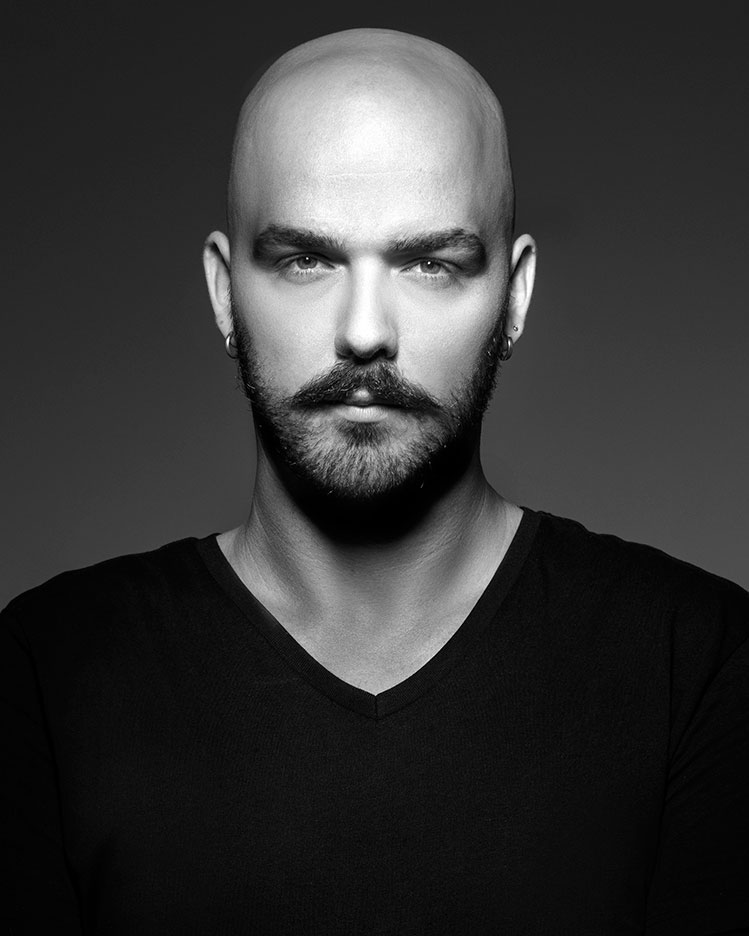
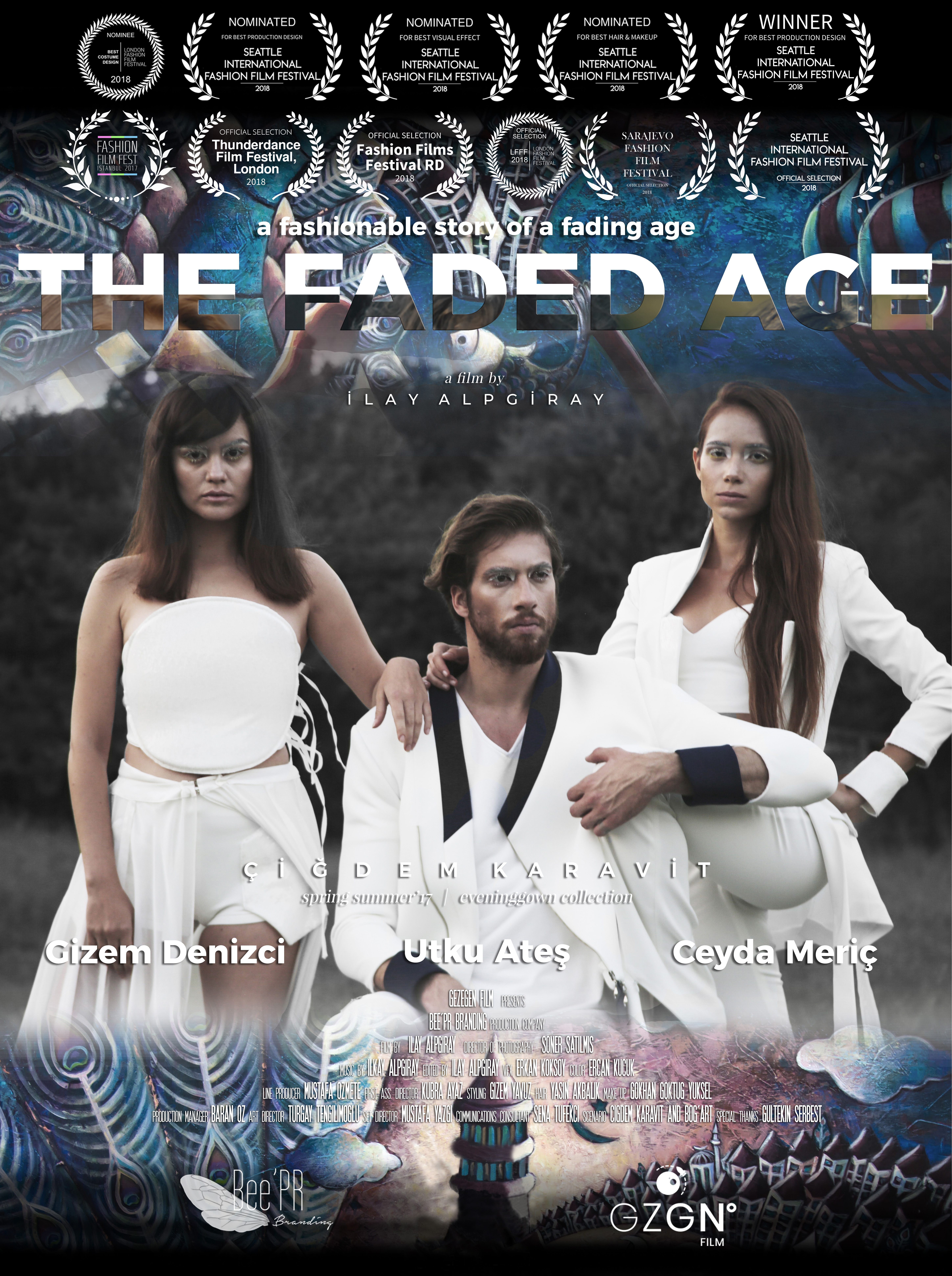
Q and A with Ilay Alpgiray, Director of The Faded Age — his film was nominated for Best Costume Design Award at LFFF 2018.
Q. How and when did you become interested in filmmaking?
A. I first realized it when we were making a music video for our electro-music band with my brother in 2007. We had to make that music video by ourselves and I took over. Then our music video was accepted by some important channels such as MTV, Dream TV and Number One. After all of that I saw that my dream job is directing.
Q. What is a fashion film?
A. Fashion film is the top layer of the word "Fashion" actually. For example: there is no fashion in Fashion, but concept. There is a world that wants to be created, and the abstract or concrete rules allowed in it. Pieces of the collection and its stories create this world. The fashion film is another different world with its own rules.
Q. Why make a fashion film?
A. I have made lots of films so far — commercials, TV series, music videos — as a director. But the feeling of creating an imaginary world with independent concepts is priceless. The influence of a fashion film can last many years rather than commercials or other films in our age where consumption is very fast. Like — I'm able to have this interview with you thanks to our fashion film we shot in 2017.
Q. What makes fashion film different to other short film genres?
A. The most clear feature is to make progress in a concept and reflect its own story and soul. In fact there are lots of visual differences too.
Q. What were you looking for in your characters?
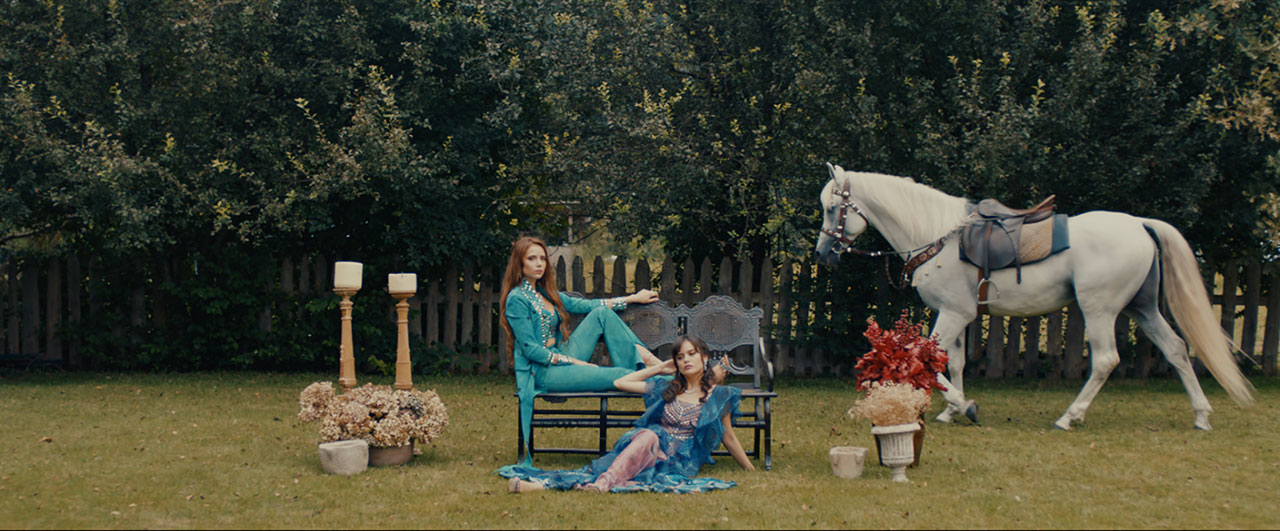
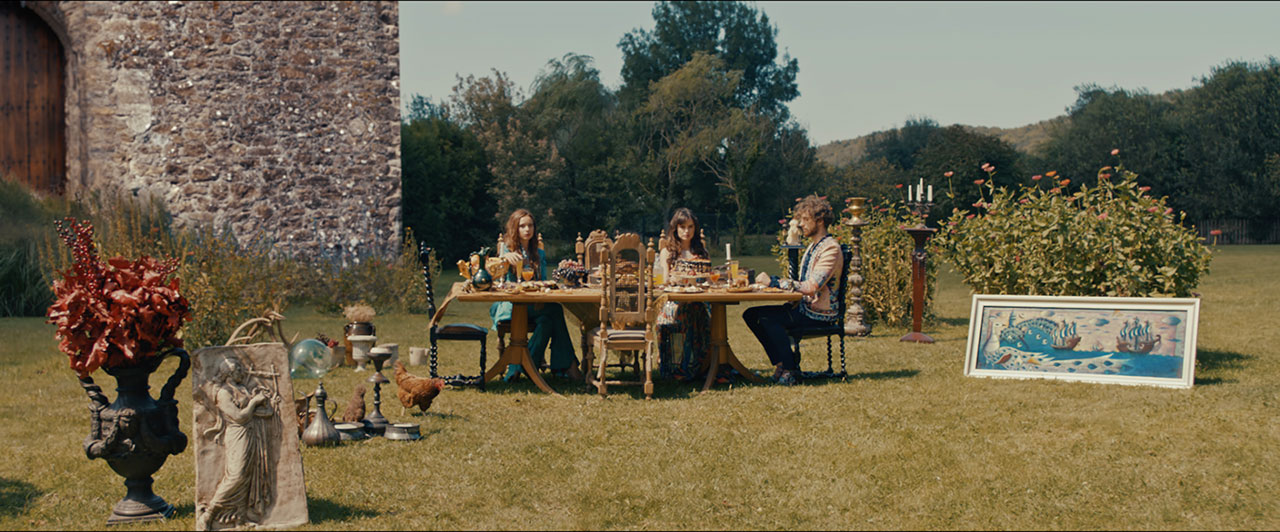
A. There is an old age in the palace's garden and a faded age that is fading our characters' souls in our film. What I expected from them was being faded and externalising the shocking feeling when they reach the faded age. People who watch should understand the odds between old age and the new faded age.
Q. Do you have friends making movies as well and do you sense competition amongst you? What do you think of their movies?
A. Yes I have many director friends in my country. We're in competition in this sector somehow but at the same time feeding off each other. It leads us to move forward. I share my opinions with them whether positive or negative — that's how we support each other.
Q. What was your original concept for making the film?
A. The scenario and collection belong to designer Çiğdem Karavit. Her main idea is the values that we keep losing unconsciously in this digitalised age with evolving technology. We have to protect them and not lose key elements in our souls.
Q. What was the biggest challenge for you in the process of making this film?
A. The timing. We shot this film in only one day. The hair-makeup changes challenged us a lot and we had to use whole coloured and white costumes — so I would say that we competed against time. The set started at 03 a.m. and finished at 9 p.m. Definitely a competition.
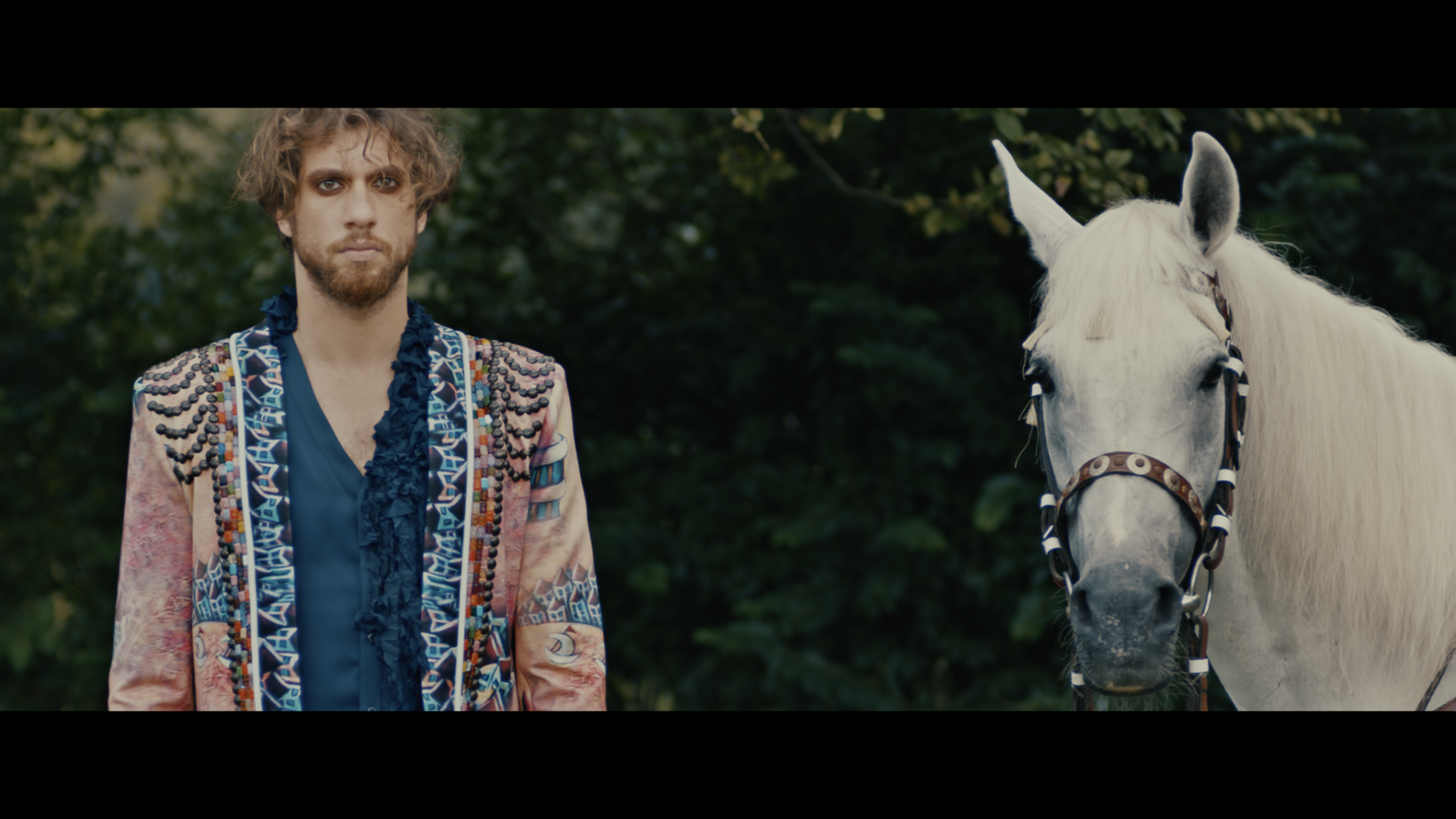
Q. How did you decide about clothing, jewellery and make up?
A. Our designer Çiğdem Karavit designed the clothes with the idea of a faded and digitalised new age. The jewellery designer Hanzade Topaloğlu designed accessories in the same way as well.
Q. What are the key elements to making an effective fashion film?
A. First of all, decide on the concept. Concept can be considered the top manager of effect. The next one is music that turns those concepts into feelings. If you make a relation between colours, music and edits in the editing process, you are able to complete a successful and effective film. I'm not going to mention taking nice shots because that's beyond debate. And a team that has a high sense of humour :)
Q. What is the difference between a fashion film and advertisement?
A. In an advertisement you have to follow some unchangeable steps. The product has certain things to put forward concerning sales and marketing and you are expected to show it in the shortest time you can with the lowest cost. No deep real stories and feelings at all. In a fashion film, as I always say, there is a huge world with its own rules and at the end you feel like you leave precious work to this world.
Q. What is your suggestion for making some budgets for a film?
A. First a list of basic requirements should be made. Also it can be useful not to go beyond the adequate team and equipment. The team has to include talented and passionate people. All alternatives should be looked at in the choice of location as well.
Q. What advice do you have for aspiring filmmakers?
A. My advice to them is to go on this path by exploring new techniques without ever getting bored — researching and getting tired. In the ever-changing world, it is very difficult to keep up with our business, but they can achieve this by staying up-to-date. They should not be afraid of innovation in storytelling — create their own independent world.