- Home
- /
- Interview With Charlotte Anderson
INTERVIEW WITH CHARLOTTE ANDERSON
Q and A with multi-award winner filmmaker, Charlotte Anderson, her fashion films won different
awards at LFFF in several years.
Q. How and when did you become interested in filmmaking?
A. In my current job we make commercials, and as I am inspired by the major brands in the world, I started using the inspiration in our own commercials
Q. What is a fashion film?
A. A fashion movie is a movie where, through fashion, you try to capture some of the major global trends and try to capture thoughts and ideas that are part of the world today, for example, thoughts about who you are, how to want to live what the world should look like - all with a start in fashion
Q. Why make a fashion film?
A.Fashion films need to be recognized for telling a story that are good for the future. Fashion films are small works of art where the team behind the film tries to capture a snapshot of the world now and the thoughts and ideas that occupy the whole world at the moment when the film are made. Many people think that fashion films are just comical, but I think that both fashion and fashion films should be recognized as art, which leaves an impression of the world and the thoughts and ideas that occupy the world at and good for the future audiences to see in the future – with out our history we are nothing in the futur.
Q. What makes fashion film different to other short film genres?
A. Many fashion films are also short films, but the big difference is that in fashion films one tries to capture the fashion, while a short film has the most focus on the story in the film. Fashion films focus on the story and styling, which together create a strong story of the present. You can say, that a fashion film have to be strong on the styling that are fashion, when a short film have more focus on the story without a fashion statement.
Q. Do you have friends making movies as well and do you sense competition amongst you. What do you think of their movies?
A. To sharpen my film to be the best, I have to look beyond what the local competitors are doing, I have to lift myself up and see what is happening on the international film stage, and be inspired by the global scene, and then I have to try to make the international fashion world fit the local production. But yes, I definitely see others as my competitors and also as a great inspiration to make better fashion films within the small budget that I work with
Q. What was the biggest challenge for you in the process of making films?
A. The biggest challenge is getting budget and ideas and the desired quality level to match
Q. Why do you think filmmakers should participate in film festivals?
A. I think that you have to attend a film festival because, it increases the ability to make better films, you push yourself to think creatively and not "just" do as usual. it sharpens your senses, to participate in competitions, and it returns the customer who always knows that the film you make is the best possible job at that time
Q. How do you usually decide about clothing, jewelry and make up?
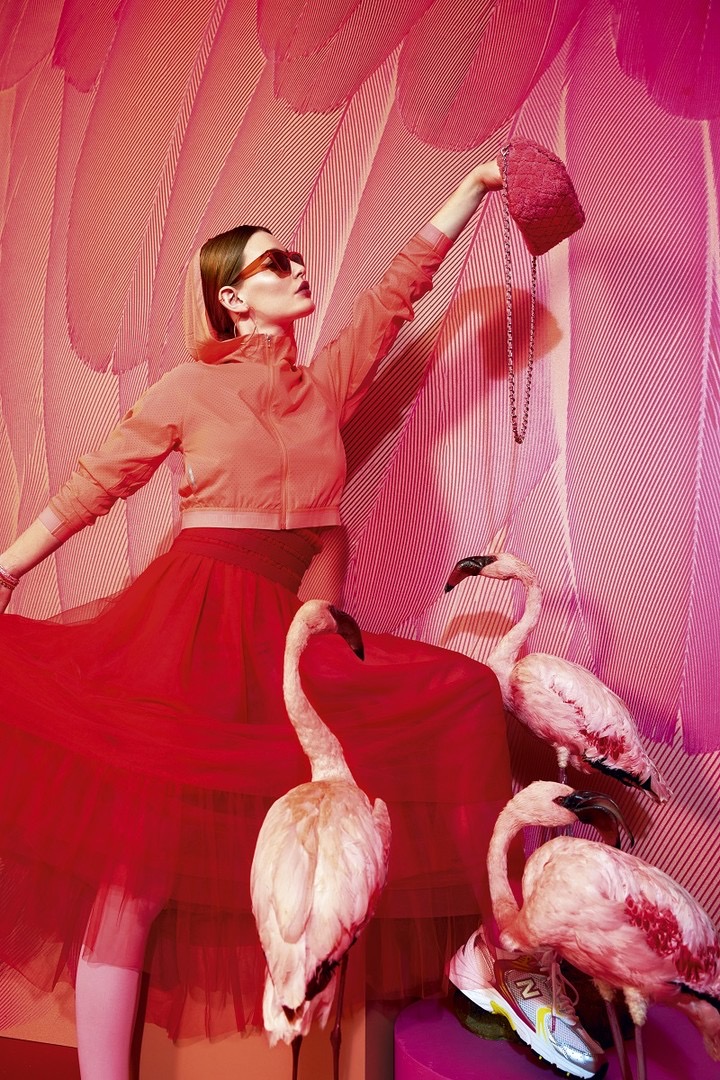
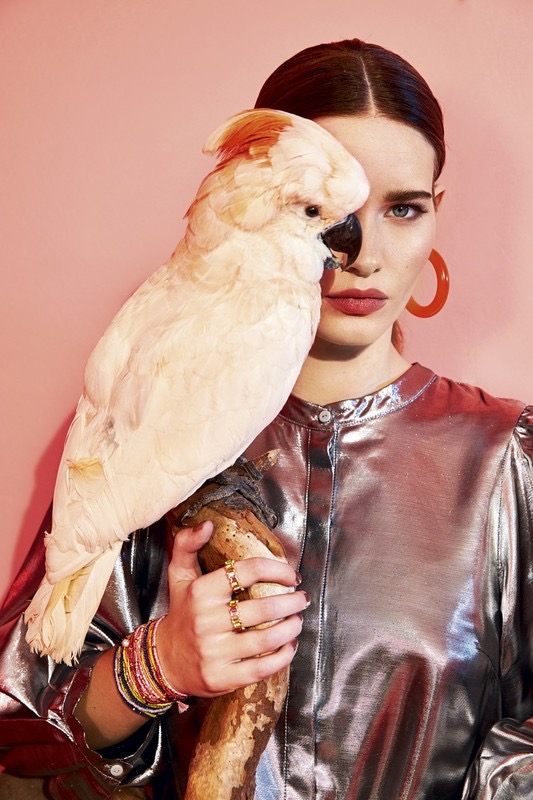
A.We are a team that jointly creates the different looks, and we work a lot on what feels good - in Danish: it must be a good gut feeling that it all fits together
Q. What are the key elements to making an effective fashion film?
A. The film must be innovative, relevant to the customers so that they buy the products or that the film helps to brand the company. If you try hard and think differently and creatively, it gives a return on the branding of the company, and a win-win situation arises where you are creatively pressed by competitors to make a great movie - the film helps to keep you sharp in the brain about what's happening in the world - and eventually the movie becomes outstanding and burns the business. it is a ring of reactions. The whole “life circle” of a film is positive
Q. What is a difference between a fashion film and advertisement?
A. There may be a difference but there need not be a difference, it depends on the team and their creativity. I see the difference between an advertisement and fashion film as a straight line, at one end is advertisement and at the other end is art / film. Then you can position yourself on the line between the two points and pull the film towards the advertisement by focusing on product and price, but you can also pull the film the opposite end of the line and then it becomes more about selling a look, a feeling or a lifestyle
Q. How does video advertising attract customers and brand awareness?
A. It is only in films where you can tell a story with sound and pictures and without words, it is not possible elsewhere. You can sell a certain product through music and pictures without mentioning price or place to buy it, that is a strong way to sell product. We all know, that music and photos will wake some emotion in your brain, some emotion that you maybe not are aware of, and then the branding will be good, because your parades are down when you watch the movie and the message you perceive more clearly
Q. What is your suggestion for making some budgets for a film?
A. We always make low budget films, it requires a very good team where everyone dares to speak their minds, and everyone contributes to the creative process
Q. What advice do you have for aspiring filmmakers?
A. Just jump into it. Believe in yourself, believe that if you have a special vision, there are probably others in the world who can see your vision and will love it